Watercolor Masks, Photo Overlay: A Designer’s Real-World Review
First Impressions: Soft, Artistic, and Versatile
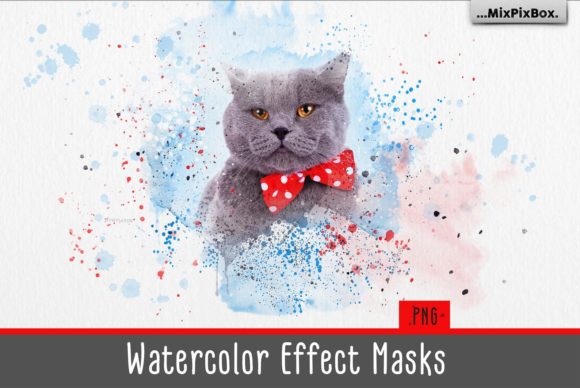
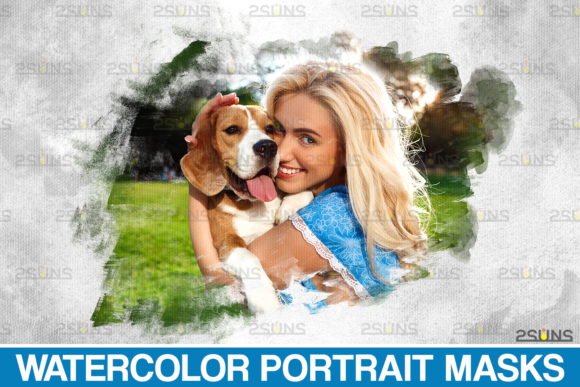
Opening up the Watercolor Masks, Photo Overlay design file, I was immediately struck by its soft, painterly aesthetic. It feels like a digital brushstroke—organic, flowing, and just a little unpredictable in the best way. The overlay style suggests it’s meant to be layered over photos or background images, which opens up a lot of creative potential for embroidered keepsakes, personalized apparel, and boutique-style gifts.
As a designer who frequently works with custom embroidery files, I appreciate how this design walks the line between abstract and intentional. It’s not overly detailed, but it carries enough visual weight to enhance a photo-based embroidery without overwhelming it. The theme feels modern yet timeless—perfect for baby items, nursery decor, or even wedding gifts where a touch of softness is needed.
Real-World Use: From Sweatshirts to Pillow Covers
I recently tested Watercolor Masks, Photo Overlay on a custom embroidered tote bag project for a local boutique. The client wanted a series of tote bags featuring customer-submitted photos transformed into embroidered keepsakes. The overlay design was layered over the photo embroidery to create a dreamy, artistic effect.
It stitched out beautifully on medium-weight cotton canvas. The stitch density was even, and the satin and fill stitches blended well without puckering. The result was a high-end look that elevated the product beyond a standard embroidered tote. Customers responded positively, commenting on how “unique” and “artistic” the bags felt.
When I tried the same design on a sweatshirt, the texture of the fabric softened the edges slightly, but the overall mood remained intact. It worked especially well when paired with a muted photo embroidery underneath. For baby clothes, I’d recommend using a lighter stitch version or scaling down slightly to avoid bulk, especially around the collar or sleeve seams.
Where to Use It Carefully
While Watercolor Masks, Photo Overlay is versatile, there are definitely situations where it needs to be handled with care. Small hoop sizes are a challenge—this design benefits from open space to breathe. If you're working within a 4x4 hoop, you may need to simplify or resize the design to maintain clarity.
Textured fabrics like terry cloth or fleece can distort the soft edges of the watercolor effect. Stretchy fabrics like jersey or knits may pull the satin stitches slightly, so a good stabilizer is a must. Dark fabrics can mute the overlay’s effect, so I recommend checking thread color contrast carefully—especially if you're going for a more subtle look.
Layered garments, like hoodies or double-layered aprons, can cause the design to stretch or compress unevenly. And on curved surfaces like caps, the design may lose some of its fluidity. If you’re aiming for a boutique-quality finish, test it on a sample cap first to see how the shape affects the overall look.
Impact on Product Appeal and Customer Trust
From a product development standpoint, Watercolor Masks, Photo Overlay adds a level of sophistication that’s hard to achieve with standard embroidery files. It elevates the visual appeal of finished products, making them feel more like art than craft. This is especially valuable for Etsy sellers and small shop owners looking to stand out in a crowded market.
Customers tend to trust handmade items more when they feel intentional and well-designed. This overlay helps bridge the gap between machine embroidery and fine art, giving your work a more curated, boutique-ready appearance. It also enhances giftability—especially for personalized gifts like baby blankets or holiday keepsakes.
For digital product sellers offering embroidery files or printable mockups, this overlay can be a powerful asset. It adds creative flexibility and visual interest, which makes your design assets more attractive to other makers and creative entrepreneurs.
Practical Notes for Embroidery Designers
If you're planning to use Watercolor Masks, Photo Overlay in your next project, here are a few practical tips I’ve picked up from real-world use:
- Test on scrap fabric first—especially if you're using a new stabilizer or unfamiliar thread.
- Check thread color contrast to ensure the overlay doesn’t get lost against the background.
- Review stitch density—this design works best with balanced density that avoids both puckering and thread breakage.
- Confirm hoop size before stitching on a finished product, especially if space is limited.
- Inspect small details under magnification to ensure clarity, especially if scaling down.
- Try black and white mockups to see how the design reads without color influence.
- Compare light and dark backgrounds—the overlay may need color adjustments depending on fabric choice.
- Use proper stabilizer—a medium-weight tear-away or wash-away works best for this style.
- Verify licensing if you're selling finished products or digital embroidery files—this is especially important for Etsy sellers and digital product creators.
Final Thoughts: A Thoughtful Addition to Any Embroidery Kit
Watercolor Masks, Photo Overlay isn’t a one-size-fits-all embroidery file, but that’s exactly what makes it valuable. It’s a designer’s tool—meant to be layered, adjusted, and integrated thoughtfully into a broader creative vision. Whether you're making personalized gifts, boutique apparel, or digital embroidery assets, this overlay adds a level of depth and artistry that can elevate your work from craft to collectible.
As with any machine embroidery design, success depends on understanding the fabric, the product, and the end user. But with a little experimentation, Watercolor Masks, Photo Overlay can become a go-to element in your embroidery project toolkit.