Safari Animals Clip Art: A Brand Designer’s Take on Nature-Inspired Illustrations for Local Business Branding
First Impressions: Playful, Whimsical, and Versatile Safari-Inspired Design Assets
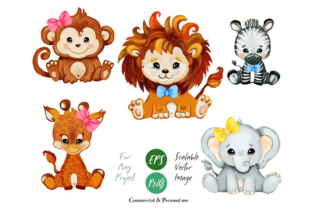
As a brand designer working with small businesses, the first thing that strikes me about Safari Animals Clip Art is its cheerful, approachable energy. These illustrations carry a sense of adventure and fun, making them ideal for brands that want to project a friendly, imaginative personality. Whether it’s a children’s clothing line, a boutique ice cream shop, or a nature-themed candle brand, these designs evoke curiosity and warmth.
What stands out is the balance between simplicity and detail. The animals are stylized but recognizable, with clean lines and soft colors that feel organic and handcrafted. This makes the Safari Animals Clip Art feel both modern and slightly nostalgic—perfect for local businesses aiming for a handmade or boutique aesthetic.
Real-World Branding Applications: From Product Packaging to Social Media Campaigns
Let’s imagine I’m working with a local skincare brand that uses natural ingredients and wants to emphasize a connection to wildlife and the outdoors. Safari Animals Clip Art could be subtly integrated into product labels, thank-you cards, or even digital packaging inserts. It adds a decorative touch without overwhelming the clean, minimalist design of the brand identity.
For a boutique toy store or a children’s product brand, these illustrations could become part of the logo design, hang tags, or gift cards. Their playful nature supports a brand voice that’s joyful and imaginative. In social media graphics, they can be used as background elements or focal points to highlight seasonal promotions or new product launches.
- Logo design (as secondary icons or supporting graphics)
- Product labels (especially for eco-friendly or nature-themed brands)
- Packaging accents (on boxes, stickers, or tissue paper)
- Printable inserts (for thank-you notes or care instructions)
- Social media banners and carousel graphics
- Promotional flyers and in-store posters
How Safari Animals Clip Art Elevates Business Presentation
One of the biggest challenges for small businesses is standing out on shelves and online. Safari Animals Clip Art helps solve that by creating a memorable visual identity. The illustrations add a layer of storytelling to the brand experience, making products feel more personal and intentional.
When used thoughtfully, this graphic design asset contributes to:
- Stronger first impressions on product packaging
- Better product recognition in competitive markets
- Clearer visual hierarchy in editorial and web design
- More consistent brand identity across touchpoints
- Improved customer trust through polished visuals
- Professional-looking packaging that feels intentional
- Stronger emotional connection with target audiences
For a local coffee shop launching a line of branded merchandise, using these illustrations on mugs, tote bags, or seasonal drink sleeves could create a cohesive and inviting brand world that customers want to be part of.
Where Safari Animals Clip Art Works Best
These illustrations shine in decorative and supporting roles. They’re especially effective in:
- Product labels with space for artistic accents
- Packaging accents like gift tags or sticker seals
- Hero graphics on seasonal product mockups
- Decorative brand elements in Canva templates or digital assets
- Promotional banners for social media or in-store displays
- Seasonal packaging for limited-edition items
- Boutique visuals that emphasize a handmade or artisanal feel
If you’re designing a candle brand with a jungle-inspired scent line, these illustrations could be used on the box lid or as part of a custom label layout. For a boutique florist offering safari-themed arrangements, they can be used on thank-you cards or packaging tags to create a memorable unboxing experience.
When to Use Them Carefully
While Safari Animals Clip Art is versatile, it’s not a one-size-fits-all solution. These illustrations may not be suitable for:
- Formal corporate branding that requires a more refined tone
- Very small labels where detail gets lost
- Crowded product packaging that already has a lot of visual noise
- Ingredient-heavy layouts where readability is key
- Low-contrast backgrounds that make the illustrations hard to see
- Luxury minimalist brands that rely on clean, unadorned design
- Legal information areas where decorative elements distract from key content
Practical Notes for Brand Designers Using Safari Animals Clip Art
Before finalizing a design for a client, I always run through a checklist to ensure the asset works across formats and applications:
- Test it on real packaging mockups to see how it looks in 3D
- Check black and white usage if the design might be printed in grayscale
- Preview it on small labels to ensure clarity at reduced sizes
- Test it with brand colors to confirm visual harmony
- Compare it with competitor packaging to avoid visual overlap
- Check print quality when using in physical product mockups
- Review PNG transparency for seamless integration into digital designs
- Inspect SVG or vector editability if customization is needed
- Test it beside serif, sans serif, script, and handwritten fonts to assess typographic compatibility
- Confirm commercial licensing before using in client work or physical product sales
Final Thoughts: A Valuable Addition to Local Branding Toolkits
Safari Animals Clip Art is a thoughtful, well-crafted graphic design asset that can elevate the branding of local businesses looking to connect with customers through nature-inspired visuals. Whether you’re designing packaging for a handmade soap business or creating seasonal marketing visuals for a children’s boutique, these illustrations offer flexibility and charm.
As a brand designer, I appreciate how they support a cohesive visual language while still allowing room for customization. Used with intention, Safari Animals Clip Art can help small businesses create a more polished, memorable, and emotionally engaging brand presence—both online and in person.