Japanese Food Vintage Hand-drawn Illustrations: A Brand Designer’s Review for Real Business Use
First Impressions: Nostalgic, Artisanal, and Inviting
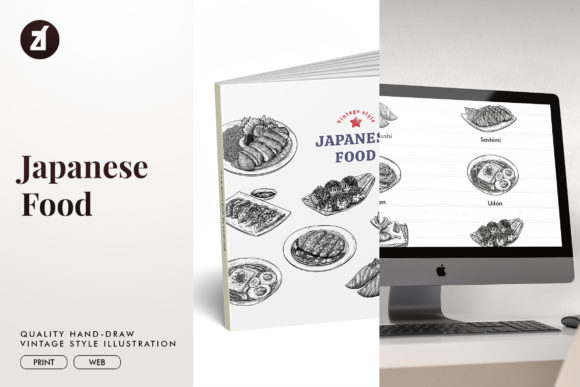
Opening the Japanese Food Vintage Hand-drawn illustrations, I immediately felt a warm, nostalgic charm. The line work is soft yet confident, with a hand-crafted texture that suggests authenticity and care. These illustrations evoke a sense of tradition, making them perfect for brands that want to feel artisanal, approachable, and rooted in heritage.
This design asset feels handmade, organic, and slightly whimsical — ideal for boutique food brands, local bakeries, or specialty tea shops. It’s not overly formal, so it won’t work for luxury minimalist branding, but it shines in small business contexts where warmth and personality matter most.
Perfect Fit for Food & Beverage Branding
As a brand designer working with a local matcha latte shop and artisanal ramen brand, I’ve been evaluating design assets that can carry a consistent visual identity across packaging, digital presence, and in-store materials. Japanese Food Vintage Hand-drawn fits perfectly into this kind of project.
The illustrations feature motifs like miso bowls, chopsticks, sushi rolls, and traditional teapots — all drawn in a soft, slightly faded, ink-washed style. This gives the brand a sense of history and authenticity without feeling outdated. It’s a great bridge between modern small business branding and classic Japanese aesthetics.
Practical Uses Across Brand Touchpoints
Let’s talk real-world applications. Here’s how I see this graphic design asset being used effectively:
- Product Labels: The illustrations work beautifully as decorative accents on sauce bottles, tea tins, and snack pouches.
- Packaging Design: Perfect for wrapping paper, takeout boxes, and bento-style containers with a hand-crafted look.
- Logo Design: Some elements could be adapted into a custom logo or secondary brand icon for a food truck or pop-up shop.
- Social Media Graphics: Ideal for Instagram stories and Pinterest pins that need a vintage, artisanal vibe.
- Printed Promotional Materials: Flyers, menu cards, and seasonal postcards benefit from the warm, nostalgic feel.
- Thank-You Cards & Hang Tags: Adds a personal, boutique-level touch to customer thank-you notes or retail packaging.
How It Elevates Brand Presentation
Using Japanese Food Vintage Hand-drawn illustrations can do more than just decorate — it can elevate the entire brand experience:
- Stronger First Impression: Customers notice the unique, hand-drawn style immediately, especially on retail shelves or digital feeds.
- Better Product Recognition: The vintage aesthetic helps differentiate your brand from mass-produced competitors.
- Clearer Visual Hierarchy: These illustrations can guide the eye when used as separators or icons in packaging design.
- Consistent Brand Identity: Repeating the same illustration style across materials builds recognition and trust.
- Emotional Connection: The nostalgic, artisanal look creates a feeling of tradition and authenticity.
- Polished Marketing Visuals: Whether in Canva or Photoshop, these illustrations integrate well with modern layouts.
Where It Works Best
Based on my mockup testing and brand alignment review, these illustrations are best used in the following ways:
- Product Labels: Especially for small-batch sauces, teas, and specialty snacks.
- Packaging Accents: Borders, corner flourishes, and background textures add depth without overwhelming.
- Hero Graphics: On landing pages, social media banners, or print ads to draw attention.
- Seasonal Campaign Visuals: These illustrations adapt well to seasonal themes like cherry blossom festivals or winter celebrations.
- Boutique Visuals: Perfect for local shops that want to highlight their hand-crafted or heritage appeal.
Where to Use It Carefully
While versatile, this design asset isn’t a one-size-fits-all solution. Here are situations where I’d recommend caution:
- Formal Corporate Branding: Too casual for law firms or luxury financial services.
- Very Small Labels: The hand-drawn details can get lost on tiny packaging.
- Crowded Packaging Layouts: Competes with other design elements if not spaced properly.
- Ingredient-Heavy Layouts: May distract from long lists of ingredients or legal copy.
- Low-Contrast Backgrounds: Check visibility when placed over textured or patterned backgrounds.
Practical Designer Notes Before Implementation
Before finalizing this graphic design asset for client use, here are the practical checks I ran — and you should too:
- Mockup Testing: Applied the illustrations to food packaging mockups to see how they hold up in real context.
- Black & White Preview: Checked if the illustrations still read clearly when printed in monochrome.
- Small Label Preview: Zoomed in to ensure legibility and clarity on compact packaging.
- Brand Color Compatibility: Layered the illustrations over the brand’s primary color palette to ensure harmony.
- Competitor Comparison: Reviewed how the style stands out against similar food brands in the market.
- Print Quality Check: Verified that the PNG and SVG files maintain sharpness at different print sizes.
- Font Pairing: Tested the illustrations next to serif, sans-serif, and script fonts to ensure typographic balance.
- Licensing Confirmation: Double-checked that the commercial license allows for physical product use and client branding.
Final Thoughts: A Strong Asset for Authentic, Local Branding
Japanese Food Vintage Hand-drawn illustrations are a solid choice for small business branding that leans into heritage, craftsmanship, and emotional connection. Whether you're designing for a local ramen shop, a boutique matcha brand, or a handmade snack line, these illustrations bring warmth and personality to every touchpoint.
If you're a packaging designer, social media manager, or creative entrepreneur building a local brand, this design asset can help you create a consistent, memorable, and emotionally resonant brand identity. Just be sure to test it across real-world applications and ensure it aligns with your brand’s voice and visual goals.