Hippo Nursery Decor: A Designer’s Honest Review
As someone who evaluates embroidery designs for real-world use—whether it’s for custom apparel, Etsy listings, or boutique baby items—I approach each new design with a mix of curiosity and caution. Hippo Nursery Decor immediately caught my eye with its playful illustration style and gentle curves. But does it hold up when translated into actual stitch work? Let’s walk through it like a real project.
First Impressions: Whimsy Meets Practicality
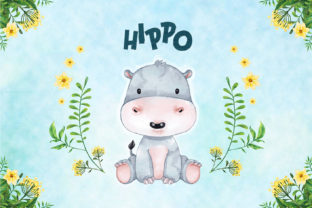
The moment I opened the design file, I got a clear sense of its personality—friendly, approachable, and ideal for baby items or nursery-themed merchandise. The hippo is stylized but recognizable, with soft edges and a slightly cartoonish charm. It feels like it belongs in a line of boutique baby clothes or personalized gifts for new parents.
The layout is simple but not sparse. There’s enough detail to make the design engaging without overloading the stitch count. The visual balance suggests it would work well centered on a baby onesie, a toddler towel, or even a wall-hanging nursery sign. The theme feels gender-neutral, which is a big plus for small craft businesses aiming to appeal to a broader customer base.
Real-World Use: From File to Fabric
I tested Hippo Nursery Decor on a few different materials to see how it would perform in actual embroidery scenarios. Starting with a standard cotton tote bag, the design stitched out cleanly with minimal thread breaks. The satin and fill stitches held their shape, and the overall density felt appropriate for a mid-sized hoop project.
When I moved to a sweatshirt fabric with a bit of texture, I noticed the design maintained its integrity, though I did need to adjust the stabilizer layer to prevent puckering. For baby clothes, it scaled down nicely without losing too much of its character, making it a versatile choice for those selling embroidered onesies or baby blankets.
One of the more interesting tests was on a curved surface—specifically, a baseball cap. The hippo’s rounded shape actually worked in its favor here, blending naturally with the cap’s contour. It wasn’t perfect, but with a little hoop positioning and tension tweaking, it came out looking professional enough for a small batch Etsy order.
Where It Shines—and Where to Be Cautious
Hippo Nursery Decor really comes alive on flat, stable fabrics like cotton, linen, and light fleece. It’s a natural fit for:
- Personalized baby towels and burp cloths
- Nursery wall art and pillow covers
- Custom tote bags for boutique branding
- Handmade holiday gifts (especially baby showers or first birthdays)
However, there are a few caveats. On dark fabrics, the lighter thread colors can look washed out unless carefully tested. And while the design holds up well in mid to large hoop sizes, shrinking it down for a cap or a patch does require some detail trimming—especially around the hippo’s eyes and ears.
Be especially cautious with stretchy or thin fabrics. Without the right stabilizer and tension settings, the design can warp or pull. I also noticed that on very textured materials like burlap or thick knits, some of the finer lines get lost in the fabric grain, which could affect the overall clarity.
Visual Impact and Market Appeal
From a visual standpoint, this design has a strong handmade appeal. It reads as charming and intentional, which is great for small shop owners trying to build brand recognition. Whether you're creating embroidered patches or printable mockups for digital product listings, Hippo Nursery Decor gives your work a polished edge without feeling overly commercial.
It also has solid gift potential. Parents love cute, durable nursery themes, and this design strikes a nice balance between whimsy and sophistication. If you're selling on Etsy or at craft fairs, this could be a go-to for seasonal bundles—think baby shower gifts, birthday presents, or themed holiday items.
That said, if you're aiming for a high-end or minimalist aesthetic, this design might feel a bit too playful. It’s not the best fit for ultra-modern branding or luxury gift lines, but for small businesses with a cozy, handmade vibe, it’s a strong contender.
Designer Notes: What to Watch For
- Always test the design on scrap fabric before committing to your final product.
- Review the stitch density—especially around the face and ears—to avoid distortion on stretchy materials.
- Check how thread colors interact on both light and dark backgrounds.
- Make sure the hoop size matches your machine and intended use, especially for curved surfaces like caps.
- If using in a commercial setting, confirm licensing terms before selling finished items or digital embroidery files.
I also recommend running a black and white test to evaluate contrast and clarity, especially if you're planning to offer multiple color variations. And don’t forget to check how the design looks in a printable mockup—this is crucial for digital product sellers who rely on visual presentation to attract buyers.
Final Thoughts: A Practical Choice for Real Projects
Hippo Nursery Decor isn’t trying to be the most complex or detailed design on the market, and that’s exactly what makes it work so well in real-life embroidery projects. It’s approachable, adaptable, and easy to integrate into a variety of handmade products. Whether you're an Etsy seller building a baby-themed collection or a custom embroiderer taking on a client job, this design offers a reliable foundation with room for creative interpretation.
Just keep in mind the usual best practices—test, adjust, and review—and you’ll find it’s a solid addition to your embroidery project toolkit.